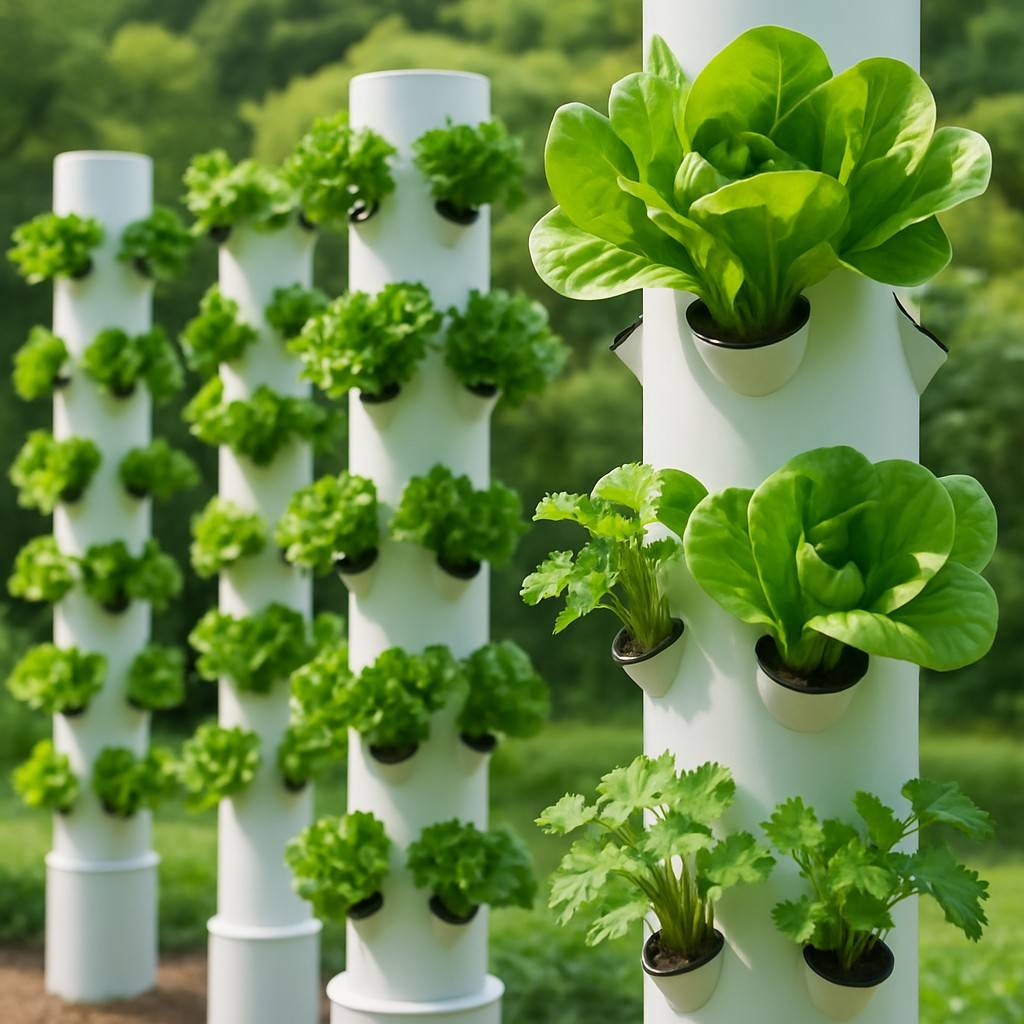
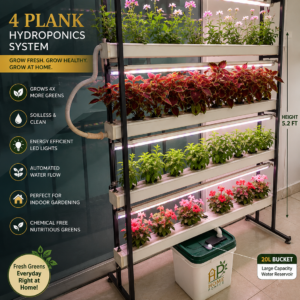
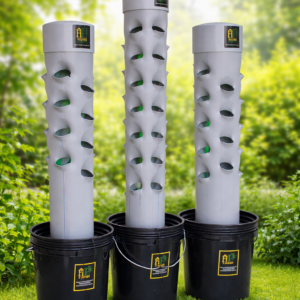
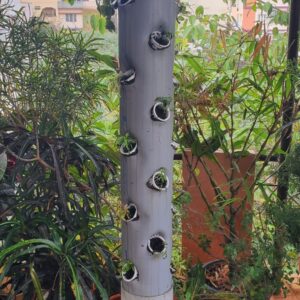
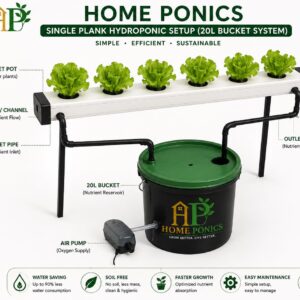
Hydroponic farming is sustainable, clean, and efficient — making it ideal for homes, urban gardens, and commercial food production.
Hydroponic farming is a modern method of growing plants without soil, using a nutrient-rich water solution to deliver essential minerals directly to the plant roots. Instead of relying on traditional soil-based agriculture, hydroponics uses materials like cocopeat, clay pellets, perlite, or simply air and water to support plant growth.
🌱 Key Features of Hydroponic Farming:
Soil-free cultivation – plants grow in water or inert mediums
Faster plant growth – nutrients are absorbed more efficiently
Uses up to 90% less water than traditional farming
Space-saving – perfect for urban areas, rooftops, and indoors
No weeds, No pests, and no need for pesticides
Year-round growing, regardless of seasons or climate
🌿 Commonly Grown in Hydroponics:
Leafy greens: lettuce, spinach, kale
Herbs: basil, mint, coriander
Vegetables: tomatoes, cucumbers, bell peppers
Strawberries and even flowers
What is the difference between Hydroponic and Aeroponic farming ?
Both aeroponics and hydroponics are soil-less methods of growing plants, but they differ mainly in how nutrients and water are delivered to the roots.
🌬️ Aeroponics
Plants are suspended in air, and their roots are periodically misted with a fine spray of nutrient-rich water.
✅ Roots hang in air and are misted regularly
✅ Uses less water than hydroponics
🚀 High oxygen levels at the root zone = faster growth
🔧 Requires more technical precision and maintenance
💨 Ideal for high-tech vertical farms or controlled environments