Microgreens – The Science-Backed Superfoods You Can Grow at Home
Introduction
In recent years, microgreens have rapidly gained popularity among nutritionists, chefs, and health enthusiasts. These tiny edible plants are harvested at a very young stage—typically 7 to 21 days after germination—when their first true leaves emerge. Despite their small size, microgreens are considered one of the most nutrient-dense foods available today.
Scientific research has shown that microgreens can contain significantly higher concentrations of vitamins, minerals, and antioxidants compared to mature vegetables. Because they grow quickly and require very little space, they are also becoming a cornerstone of modern urban farming systems such as hydroponics and aeroponics.
For people living in cities, microgreens represent a powerful combination of nutrition, sustainability, and convenience. With the right growing system, anyone can produce fresh, chemical-free greens directly at home.
In this article, we explore the science-backed health benefits of microgreens, supported by medical research and nutritional studies.
What Are Microgreens?
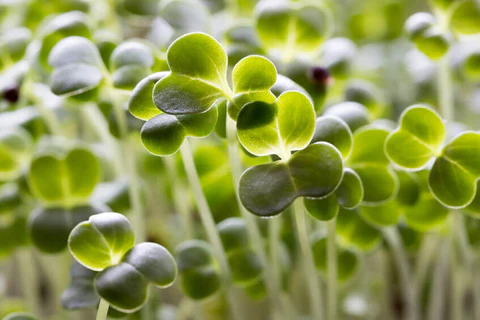
Microgreens are the young seedlings of vegetables and herbs harvested shortly after germination. They are different from sprouts and baby greens.
Microgreens vs Sprouts vs Baby Greens
| Type | Harvest Time | Growing Medium | Characteristics |
|---|---|---|---|
| Sprouts | 3–5 days | Water only | Entire seed eaten |
| Microgreens | 7–21 days | Soil or hydroponic media | Small stems & leaves |
| Baby greens | 3–4 weeks | Soil | Larger leaves |
Microgreens typically grow to 2–7 cm in height and are harvested when the first true leaves develop.
Popular microgreens include:
- Broccoli
- Radish
- Pea shoots
- Sunflower
- Red cabbage
- Basil
- Fenugreek
- Mustard
- Arugula
Each type has a unique nutritional profile and flavor.
Why Microgreens Are Nutritional Powerhouses
Microgreens are often described as “concentrated nutrition.”
Studies from the United States Department of Agriculture (USDA) and other research institutions have shown that microgreens can contain 4 to 40 times higher levels of nutrients compared to their mature plant counterparts.
Key nutrients found in microgreens include:
Essential Vitamins
- Vitamin C
- Vitamin K
- Vitamin E
- Vitamin A
Important Minerals
- Iron
- Magnesium
- Zinc
- Potassium
Bioactive Compounds
- Polyphenols
- Flavonoids
- Carotenoids
- Glucosinolates
These compounds play an important role in reducing inflammation, supporting immunity, and protecting cells from damage.
Scientifically Proven Health Benefits of Microgreens
1. High Antioxidant Content
One of the most important benefits of microgreens is their high antioxidant capacity.
Antioxidants protect the body from oxidative stress, which occurs when unstable molecules called free radicals damage cells.
Oxidative stress is associated with several chronic diseases, including:
- Heart disease
- Cancer
- Diabetes
- Neurodegenerative disorders
A study published in Scientific Reports found that several microgreens varieties demonstrated strong antioxidant activity due to high levels of phenolic compounds.
Examples of antioxidant-rich microgreens include:
- Red cabbage microgreens
- Radish microgreens
- Broccoli microgreens
These antioxidants help the body neutralize harmful molecules and maintain healthy cells.
2. Supports Heart Health
Cardiovascular disease remains one of the leading causes of death worldwide. Diet plays a major role in maintaining heart health.
Research has shown that microgreens may help improve several cardiovascular risk factors.
A study conducted on red cabbage microgreens showed that animals fed these greens experienced:
- Reduced LDL (bad cholesterol)
- Lower triglyceride levels
- Decreased body weight
These results suggest that compounds found in microgreens may help support healthy cholesterol levels and metabolic health.
Microgreens rich in polyphenols may therefore contribute to better cardiovascular health when included as part of a balanced diet.
3. Potential Anti-Cancer Properties
Many microgreens belong to the Brassicaceae family, which includes:
- Broccoli
- Cabbage
- Kale
- Mustard
Plants in this family contain compounds called glucosinolates, which are converted into sulforaphane during digestion.
Sulforaphane has been extensively studied for its potential to:
- Support detoxification pathways
- Protect cells from DNA damage
- Inhibit the growth of certain cancer cells
Research suggests that these compounds may play a role in cancer prevention, particularly for colon and breast cancers.
While microgreens are not a treatment for cancer, including them in a healthy diet may contribute to long-term disease prevention.
4. Supports Eye Health
Certain microgreens contain high levels of lutein and zeaxanthin, carotenoids that support eye health.
These compounds help protect the retina from damage caused by blue light and oxidative stress.
Lutein is associated with reduced risk of:
- Age-related macular degeneration
- Cataracts
- Vision decline in aging adults
Examples of lutein-rich microgreens include:
- Pea shoots
- Sunflower microgreens
- Kale microgreens
Including these greens in the diet may help support long-term eye health.
5. Helps Prevent Nutrient Deficiencies
In many parts of the world, micronutrient deficiencies remain a major public health issue.
Microgreens provide concentrated sources of key nutrients that help prevent deficiencies, including:
Iron
Iron deficiency is one of the most common nutritional problems globally.
Certain microgreens such as fenugreek and pea shoots contain significant amounts of iron, which supports:
- Red blood cell production
- Oxygen transport
- Energy metabolism
Vitamin C
Microgreens like radish and broccoli contain high levels of vitamin C, which supports:
- Immune function
- Skin health
- Iron absorption
Because microgreens are consumed fresh, their nutrient levels are often better preserved than many stored vegetables.
6. Supports Gut Health
Emerging research suggests that microgreens may support digestive and gut health.
They contain dietary fiber and bioactive compounds that may help:
- Reduce gut inflammation
- Improve microbial diversity
- Support healthy digestion
A recent clinical study found that daily microgreen consumption was safe, feasible, and well tolerated in adults, with some improvements in gastrointestinal symptoms.
While research is still ongoing, these results highlight the potential of microgreens as functional foods for gut health.
Why Microgreens Are Ideal for Urban Farming
Microgreens are not just nutritious—they are also highly sustainable.
They can be grown using modern agricultural systems such as:
- Hydroponics
- Aeroponics
- Vertical farming
Advantages include:
Extremely Fast Growth
Most microgreens grow in 7–14 days, allowing continuous harvest cycles.
Minimal Space Requirement
Microgreens can be grown indoors, on balconies, rooftops, or kitchen counters.
Lower Water Usage
Hydroponic systems use up to 90% less water compared to traditional agriculture.
Fresh and Chemical-Free Food
Growing microgreens at home allows people to consume fresh, pesticide-free greens.
These characteristics make microgreens an important part of the future of sustainable urban food production.
Best Microgreens to Grow at Home
Some of the easiest and most nutritious microgreens include:
Broccoli Microgreens
Rich in sulforaphane and antioxidants.
Radish Microgreens
High in vitamin C and spicy flavor.
Sunflower Microgreens
Great source of protein and healthy fats.
Pea Shoots
Sweet taste and rich in fiber.
Basil Microgreens
Strong aroma and antimicrobial compounds.
Fenugreek Microgreens
High iron content and digestive benefits.
These varieties grow well in hydroponic or aeroponic systems, making them perfect for home cultivation.
The Future of Microgreens
As urban populations continue to grow, sustainable food production will become increasingly important.
Microgreens offer a solution that combines:
- High nutritional value
- Rapid growth cycles
- Low environmental impact
- Minimal space requirements
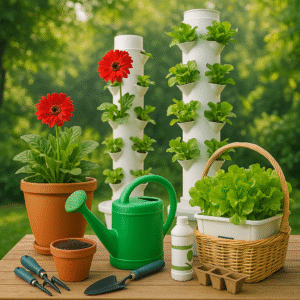
With modern systems like vertical aeroponic towers, households can produce fresh greens year-round with minimal effort.
This makes microgreens not just a trendy food—but a key component of the future of urban agriculture.
Conclusion
Microgreens may be small, but they deliver remarkable health benefits. Research shows they are rich in antioxidants, vitamins, minerals, and bioactive compounds that support heart health, immunity, digestion, and overall wellness.
Their ability to grow quickly in compact spaces also makes them ideal for urban environments.
By incorporating microgreens into daily meals—or growing them at home—people can enjoy fresh, nutritious food while contributing to a more sustainable future.
References
- Xiao, Z. et al. (2012). Assessment of vitamin and carotenoid concentrations of emerging food products: edible microgreens. Journal of Agricultural and Food Chemistry
- U.S. Department of Agriculture (USDA) Microgreens Nutritional Study
- Cleveland Clinic – Health Benefits of Microgreens
- Scientific Reports – Antioxidant activity in microgreens
- Nutrients Journal – Clinical effects of daily microgreen consumption
- Journal of Future Foods – Nutritional and functional properties of microgreens